We build software
with you
A senior engineering core, plus vetted freelance partners we bring in when a project needs a specialist. We have run IoT platforms at two million devices, taken 60% off an AWS bill, and shipped real-time voice AI on LiveKit. Ten years of production work, pointed straight at your codebase.
 Airbus
 Nexeya
 Sprintmob
 Germen
 Infodeck
 UnaBiz
 Vrtuoz
What we do
Three practice areas, all of them out of systems that went to production and stayed there. A senior core does the work, and we bring in partners we have worked with before when a project needs a specialist.
Product engineering
Backends and mobile apps that reach production, not staging. NestJS and FastAPI services, React and React Native front ends, Stripe for billing, Terraform for the infrastructure underneath. Recent work includes a gift-card platform handling a thousand users a day, and mobile apps that talk to hardware over NFC and Bluetooth.
Fractional CTO
Senior engineering for teams whose roadmap has stalled. We read the code first, then fix what is actually blocking delivery, which is usually the deploy pipeline, the cost of the cluster, or the three services that should be one. On a smart-facilities platform that meant a 60% smaller AWS bill, release cycles 70% shorter, and CloudWatch alerting that finally reached someone in Slack.
LLM adoption
Putting Claude, ChatGPT and Copilot to work without leaking anything. Retrieval over your own documents, self-hosted models where the data cannot leave the building, and governance settled before rollout rather than after. We have shipped an ESG assistant on Amazon Bedrock and real-time voice agents on LiveKit.
What working with us looks like
The people who scoped the project are not the people who build it.
You meet everyone who will touch the codebase, partners included, before they start.
Whoever is on the bench this month, whether or not they know the domain.
A senior core, plus partners we have shipped with before, matched to what the work needs.
Requirements pass through an account manager who cannot read the diff.
Straight to the engineers, in your repo and your Slack, in your review process.
Weeks of discovery workshops before anything runs.
Reading your codebase in week one, a written architecture plan by day three.
A bespoke framework only the vendor knows how to maintain.
Standard AWS, TypeScript and Python, with runbooks and a handover walkthrough.
Work we have shipped
7 projects, all of them in production. The stacks and the numbers are the real ones.
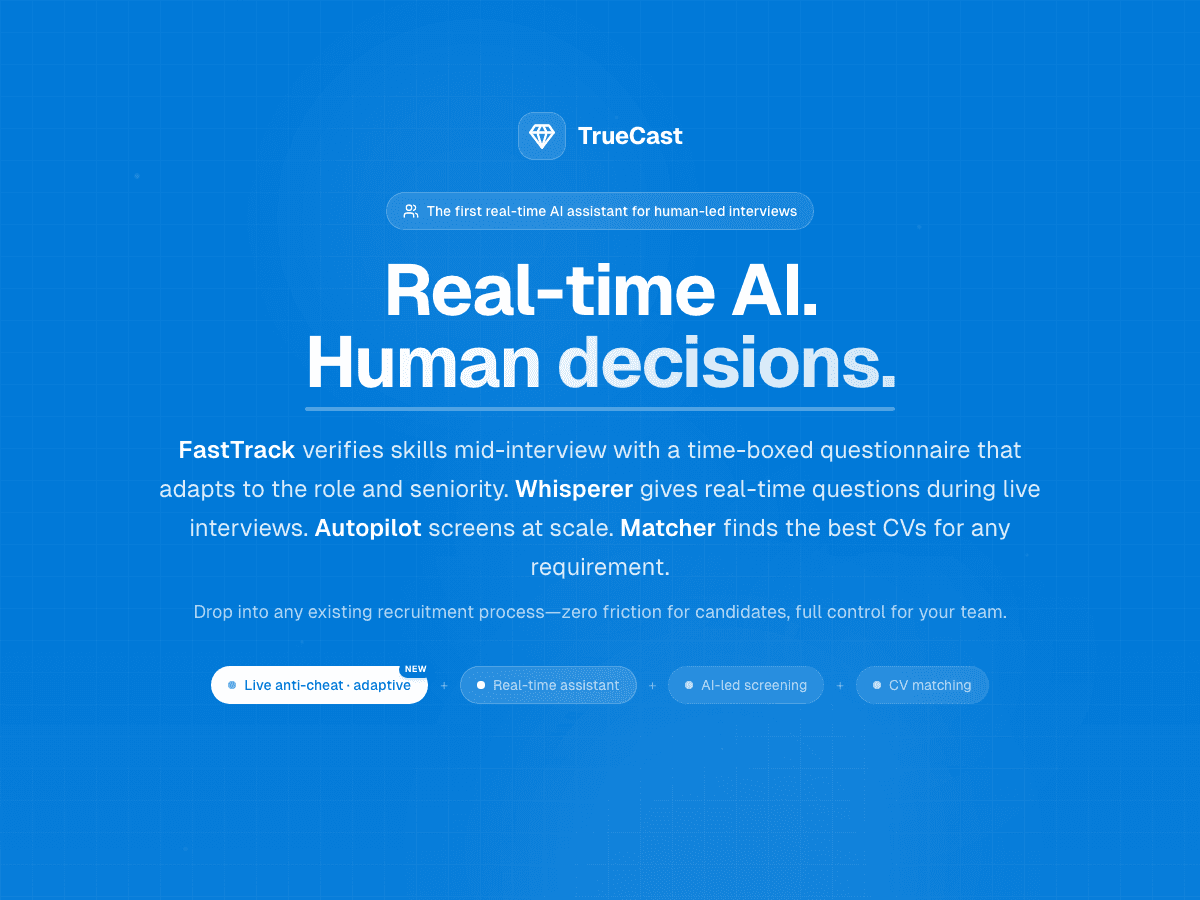
TrueCast
truecast.frFull-stack AI interview platform on a LiveKit agent architecture, in Python and Next.js. Candidates sit a self-conducted 30-minute interview that adapts to their answers. We also built Whisperer, which joins live Teams and Meet calls and suggests follow-up questions as the conversation unfolds.
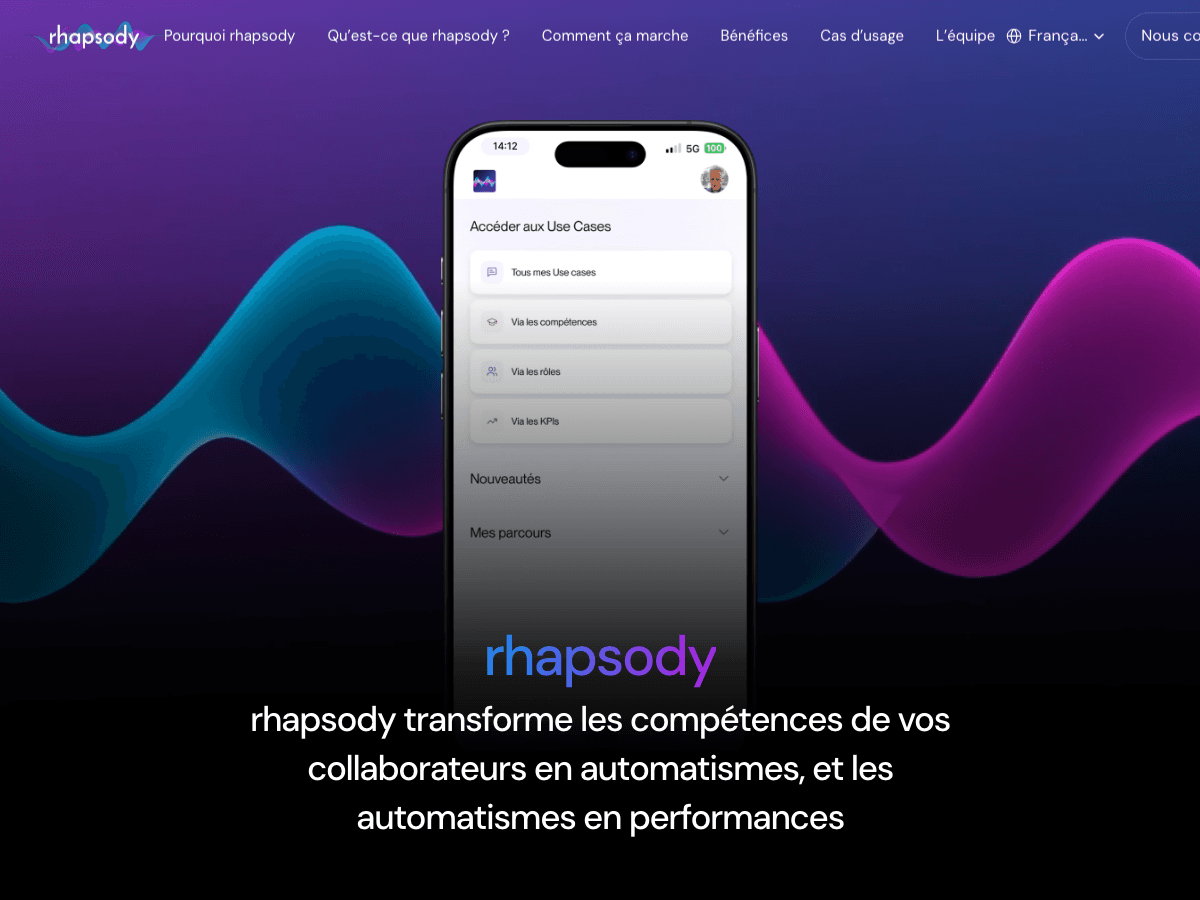
Rhapsody
rhapsody.runAI roleplay training for enterprise teams. Real-time voice built with NestJS, WebSockets, OpenAI and ElevenLabs, then migrated to a LiveKit agent architecture on AWS ECS to hold up under concurrent sessions.
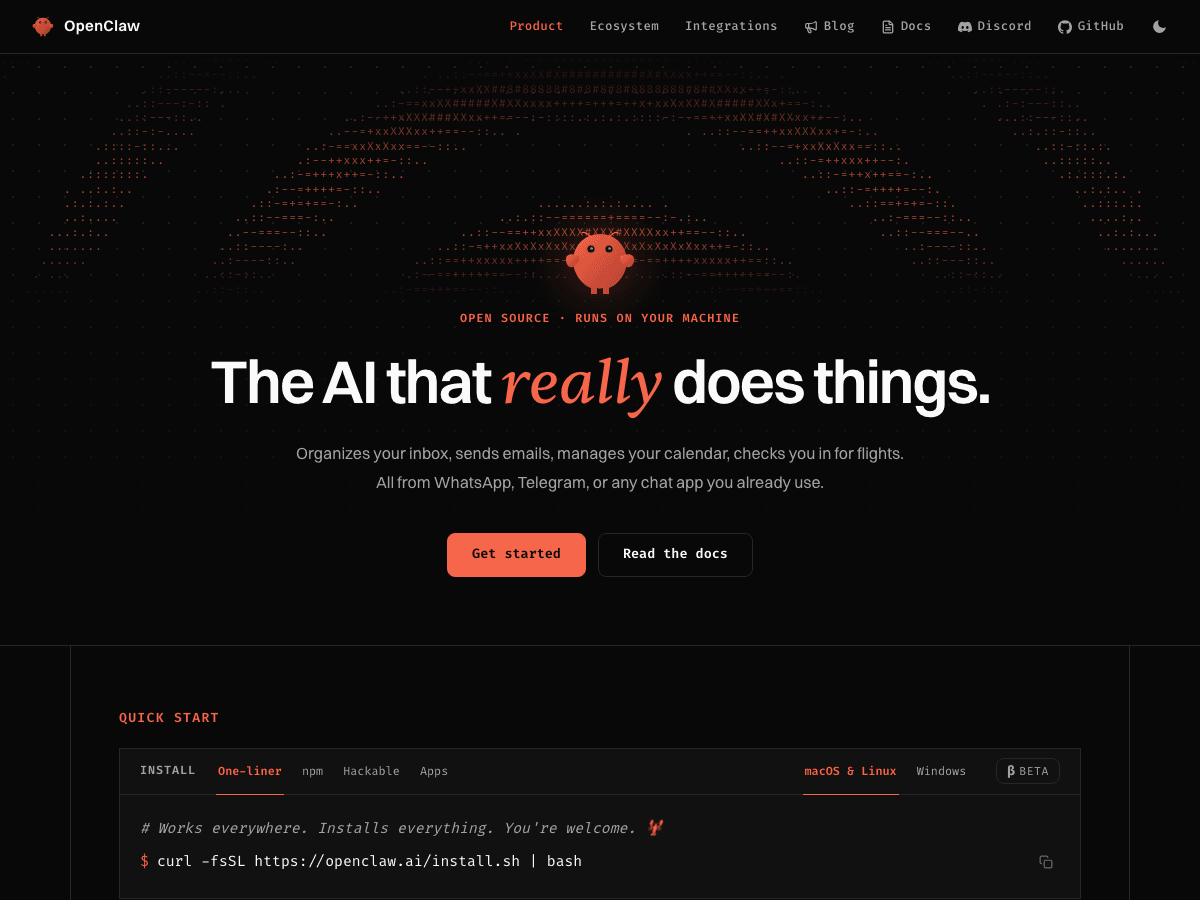
OpenClaw, self-hosted
openclaw.aiWe deploy and harden the open-source OpenClaw agent inside enterprise networks. Local models, vector search over internal documents, and a chat interface that keeps company data on company infrastructure.
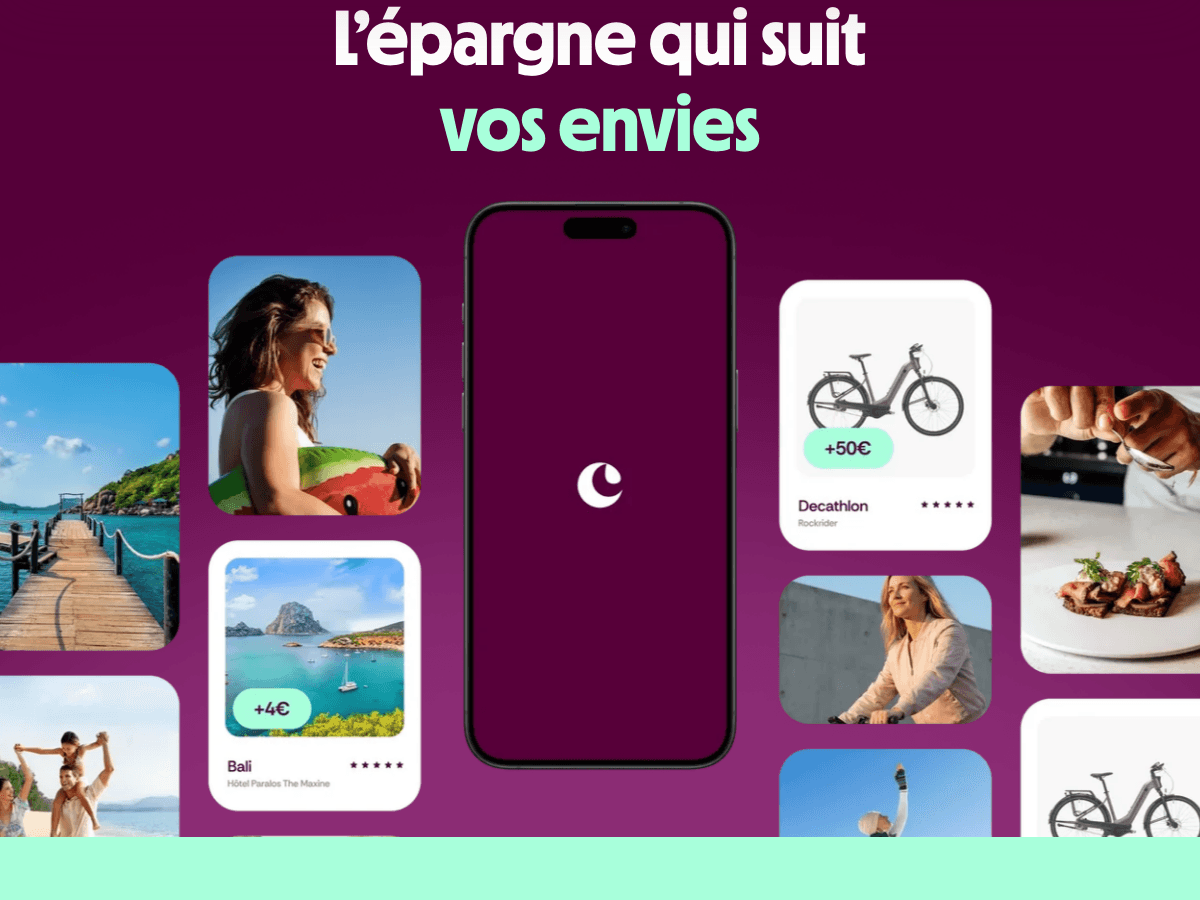
Cagnup
cagnup.comSavings app where everyday spending tops up what you are actually saving for. We built the NestJS backend and the AWS infrastructure under it, with ECS, PostgreSQL and DynamoDB managed through Terraform, plus payment and gift-card integrations and a headless CMS. Around a thousand users a day.
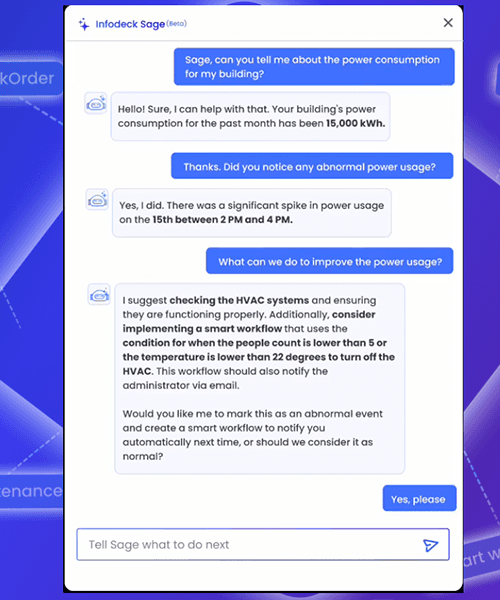
Infodeck Sage
infodeck.ioAssistant for a smart-facilities platform. Amazon Bedrock and S3 turn IoT sensor readings into ESG action plans, on a Node.js and Vue stack deployed with AWS CDK.
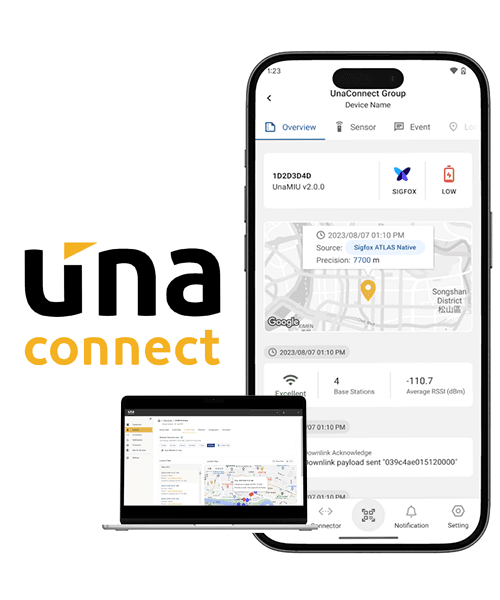
UnaConnect
una.bzIoT cloud platform running over 2 million devices across several protocols at 500 requests per second. Serverless AWS backend, REST and GraphQL APIs, and a multilingual React console.
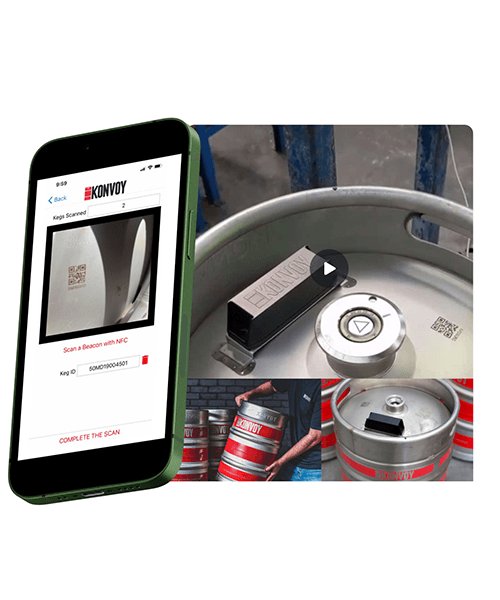
KegScan
apps.apple.comReact Native and Expo app for UnaBiz. Warehouse staff track Konvoy beer kegs by tapping the NFC tag and Bluetooth beacon fitted to each keg.
How an engagement starts
- Day 1
Read the code
We go through the codebase and the infrastructure with you, then write down what is actually slowing the roadmap: the slow queries, the deploy path, the parts nobody wants to touch. If the work needs a specialist we do not have in-house, we say so now, not in month two.
- Day 3
Architecture plan
A written plan sized for the load you actually have, on AWS or GCP, with the monthly bill worked out before anything gets built. You also see who is staffed on it and what each person is there to do.
- Week 1
First commits
Code starts landing in your repo, reviewed the way your team already reviews. Small commits first, so you can see the shape of the work and correct us early rather than at the demo.
- Ongoing
Handover
We build so that the handover is boring. Runbooks, documented deploys, infrastructure as code, and a walkthrough with whoever picks it up after us, whether that is your team or the next contractor.
What we build with
The first three are what we work in day to day. The fourth is the bench we draw on when a project needs depth we do not carry in-house.
Product Engineering
TypeScript · Node.js · NestJS · Next.js · React · React Native · Expo · WebRTC · LiveKit · Prisma · PostgreSQL · Stripe
Cloud & Architecture
AWS Lambda · AWS ECS Fargate · AWS CDK · AWS IoT Core · AWS EventBridge · AWS SNS / SQS · Terraform · Terragrunt · Docker · GitHub Actions · DynamoDB · Redis · RabbitMQ · GCP BigQuery · Looker Studio · Alibaba Cloud
LLM & AI Strategy
Python · FastAPI · OpenAI / ChatGPT · Anthropic / Claude · Google Gemini · ElevenLabs · GitHub Copilot · LangChain · Vector Databases · RAG Architecture · AWS Bedrock
Partner Expertise
React · React Native · AWS · Google Cloud · Alibaba Cloud · AI Engineering · Go · Rust
Questions we get asked
If yours is not here, ask it on the call.
What does Mirio Technologies do?
Mirio Technologies is a software engineering studio registered in Hong Kong under business registration 76928444. We work in three areas: product engineering, meaning backends, web and mobile applications; fractional CTO work, meaning cloud architecture, cost control and delivery process; and helping enterprise teams adopt large language models without putting their data at risk. The studio runs as a senior core plus a small group of freelance partners we bring in per project, so the people on your work are chosen for the problem rather than for who happens to be free.
Who will actually work on my project?
A senior core led by the founder, an AWS Certified Solutions Architect with ten years of production experience, plus freelance partners we have shipped with before when a project needs a specialist. You meet everyone who will touch the codebase before they start, you work with them directly in your repository and your Slack, and nobody is put in front of you on a call and then swapped out afterwards.
What expertise can you bring in through partners?
Frontend React and React Native, AWS, Google Cloud and Alibaba Cloud infrastructure, AI engineering, and systems work in Go and Rust. These are people we have worked with on previous projects rather than a recruitment pipeline, so we can tell you honestly at the start whether we have the right person available or whether you would be better served elsewhere.
How quickly can you start, and what happens first?
We read your codebase and infrastructure on day one and write down what is actually slowing the roadmap. A written architecture plan follows around day three, with the monthly AWS cost worked out before anything is built. Commits usually start landing in your repository during the first week, rather than after a multi-week discovery phase.
Which parts of the cloud stack do you work in?
Mostly AWS: serverless and container workloads on Lambda and ECS Fargate, EventBridge, SQS and SNS, DynamoDB and RDS with PostgreSQL, IoT Core for device fleets, and Athena and Glue for data pipelines. Infrastructure as code with AWS CDK or with Terraform and Terragrunt, and continuous delivery through GitHub Actions. On Google Cloud we have built data warehousing on BigQuery with reporting in Looker Studio. We also work with Alibaba Cloud, which matters if you need to serve users inside mainland China, and partners cover deeper GCP and Alibaba Cloud work when a project calls for it.
Can we adopt LLMs without sending company data to a third party?
Yes, and that is most of the LLM work we do. We deploy self-hosted setups inside your own network, including the open-source OpenClaw agent, with retrieval over your internal documents so nothing leaves your infrastructure. Where a hosted model is acceptable we work with Claude, OpenAI, Google Gemini and AWS Bedrock, and we settle data governance before rollout rather than after.
Do you work on existing systems or only new projects?
Mostly existing systems. The typical engagement is joining a team whose roadmap has stalled: reading the code, repairing the delivery pipeline, reducing the AWS bill and shipping the features that were stuck. On one smart-facilities platform that work cut the AWS bill by 60 percent and shortened release cycles by 70 percent.
Where are you based and which timezones do you cover?
The company is registered in Central, Hong Kong, and we work with teams across Europe and Asia. Recent clients have been based in France, Singapore and Taiwan, so both European and Asian working hours are normal for us.
What do we keep when the engagement ends?
Everything. We write standard TypeScript, Python and AWS infrastructure rather than a proprietary framework, so there is nothing to license and nothing only we can maintain. Handover includes runbooks, documented deploys and a walkthrough with whoever picks the system up after us.
Need senior engineering? Let's talk.
If you have a roadmap to move over the next three to six months, we can probably help. We sign fast and start the same week. The first call is thirty minutes, and we will say so if we are not the right fit.